



A great team doesn't happen by accident.
It gets built.
Scaling multiplies everything, including the gaps between your best people. One day in the pitstop gets them aligned on the year, honest with each other, and clear on who owns what. Ten working days later it is written down: a report and a 12-month roadmap you run the business from.
An Inside Look Into The Pitstop
“Alex’s ability to support and develop high-performance leadership teams is second to none… it has transformed the way that myself and the leadership team work together.”
Sam Budd, CEO & Founder, Buddy Media Group
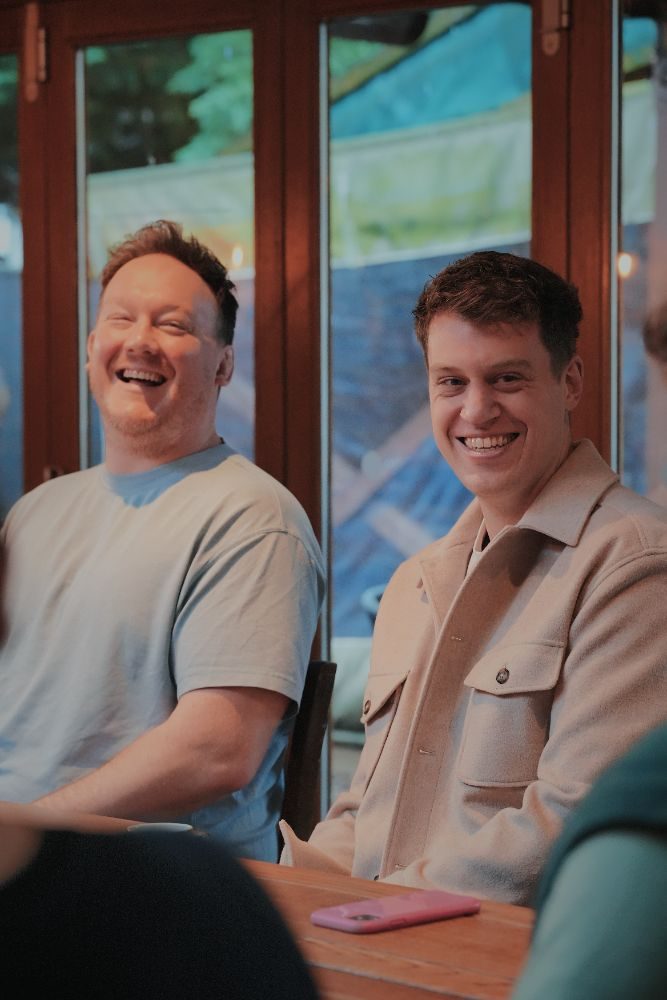
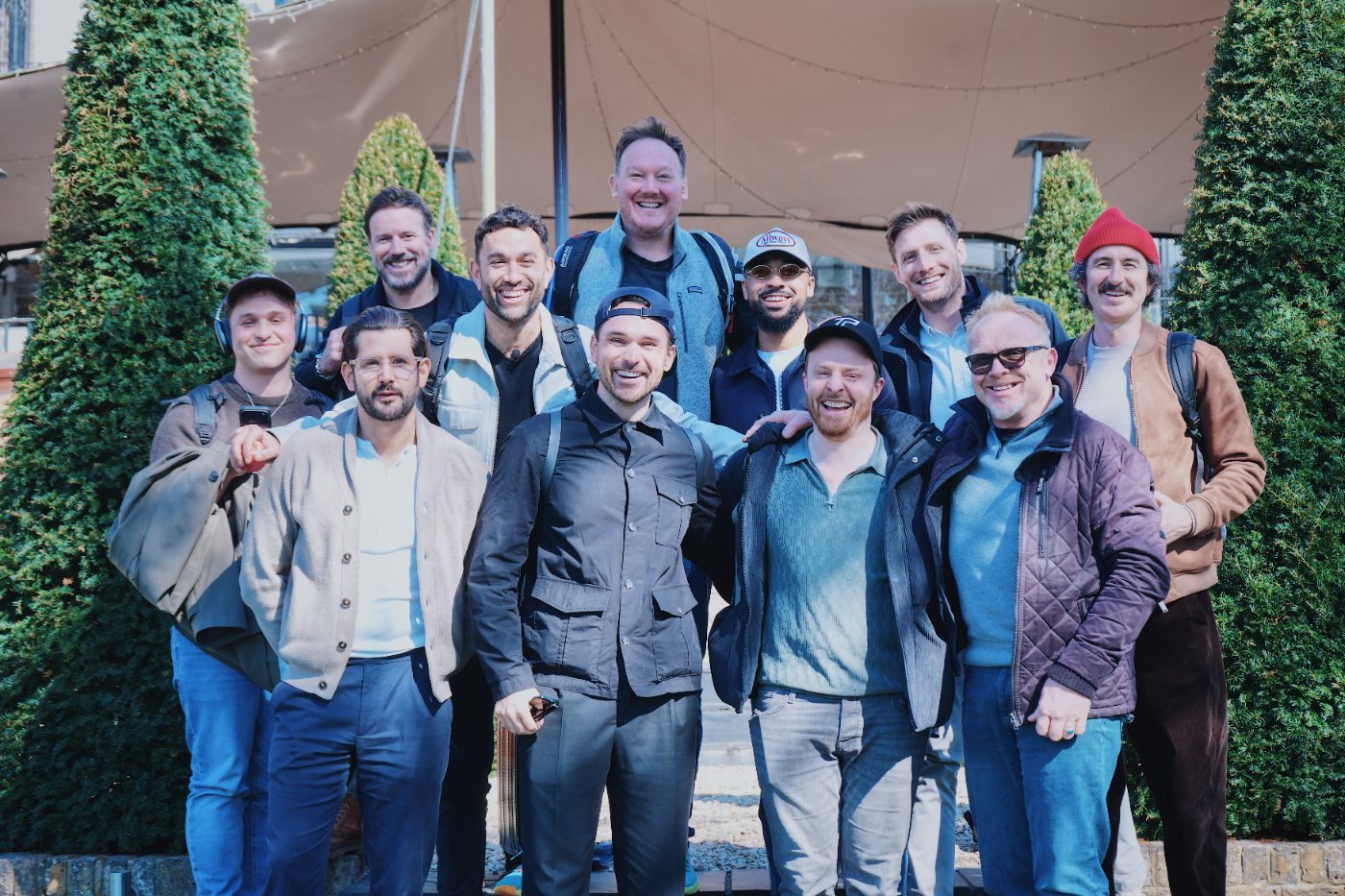
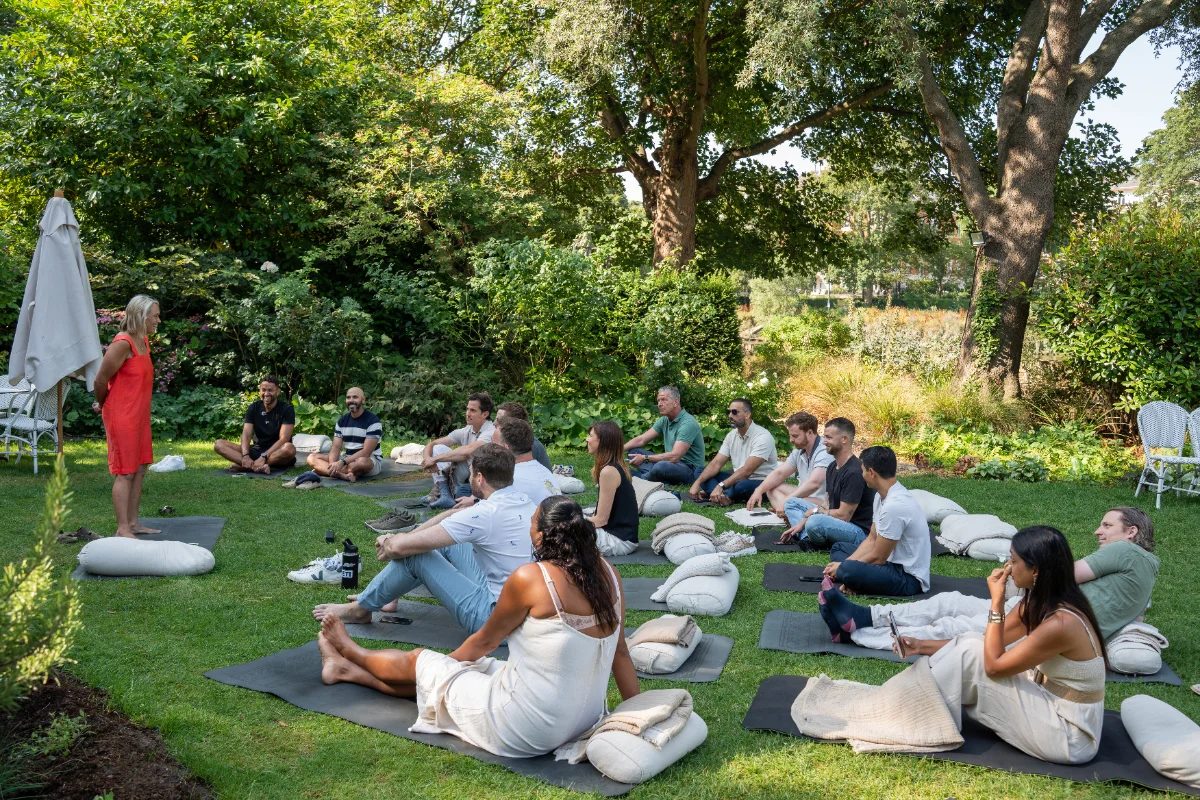

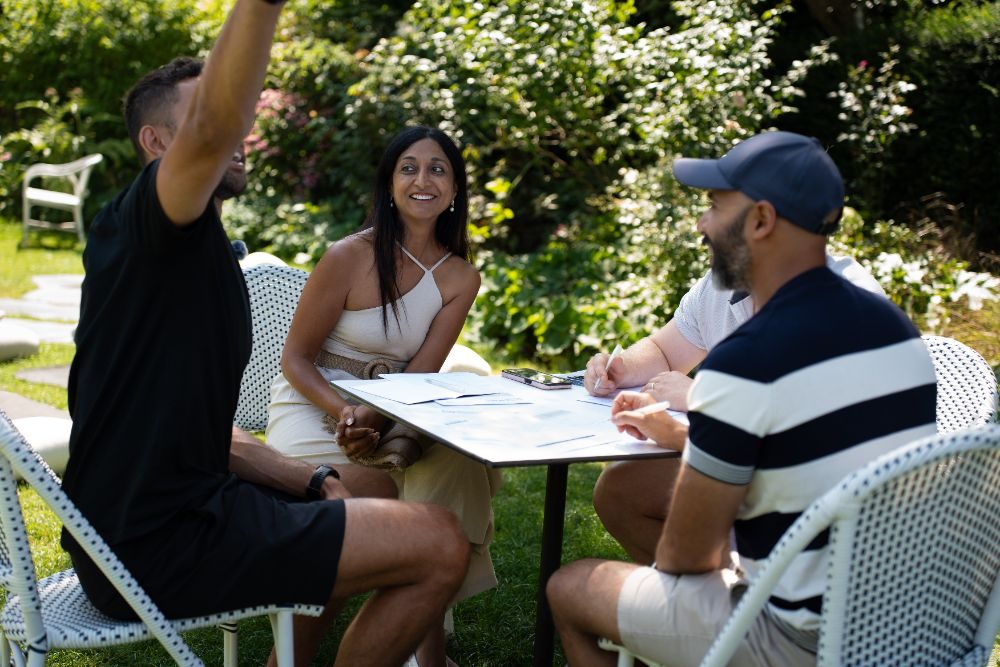
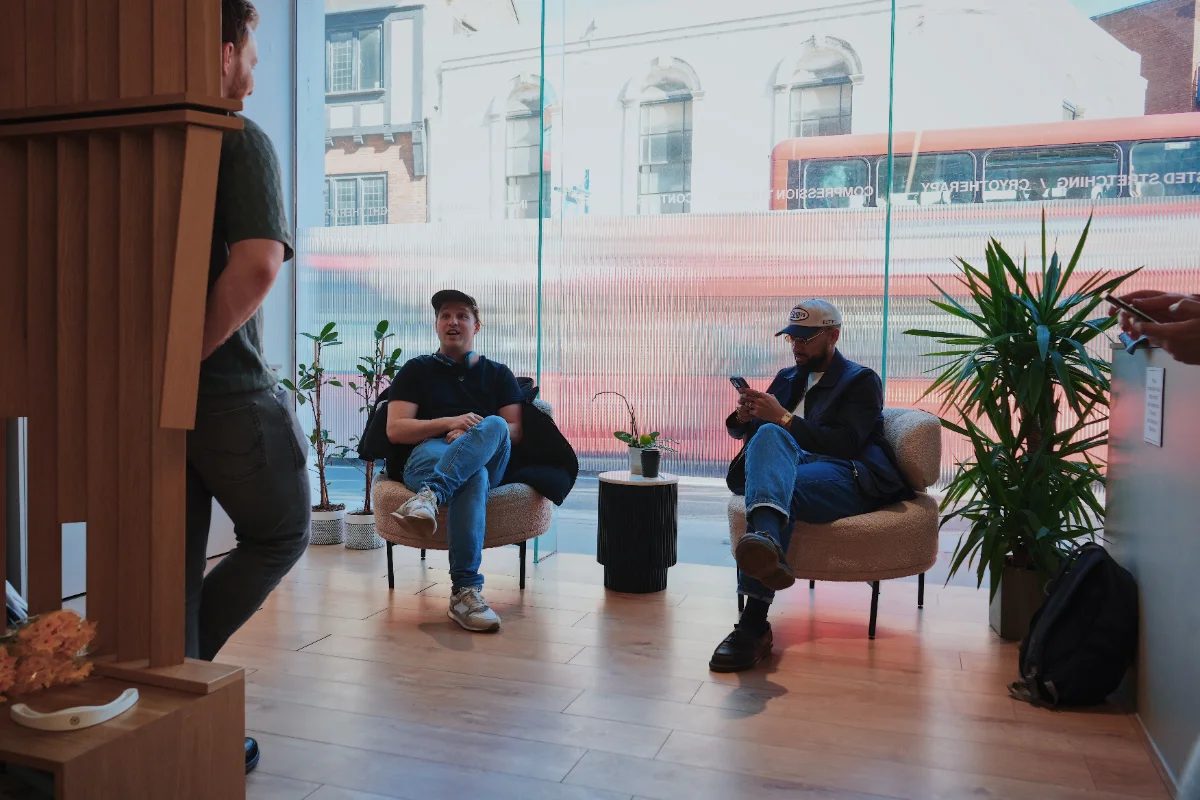
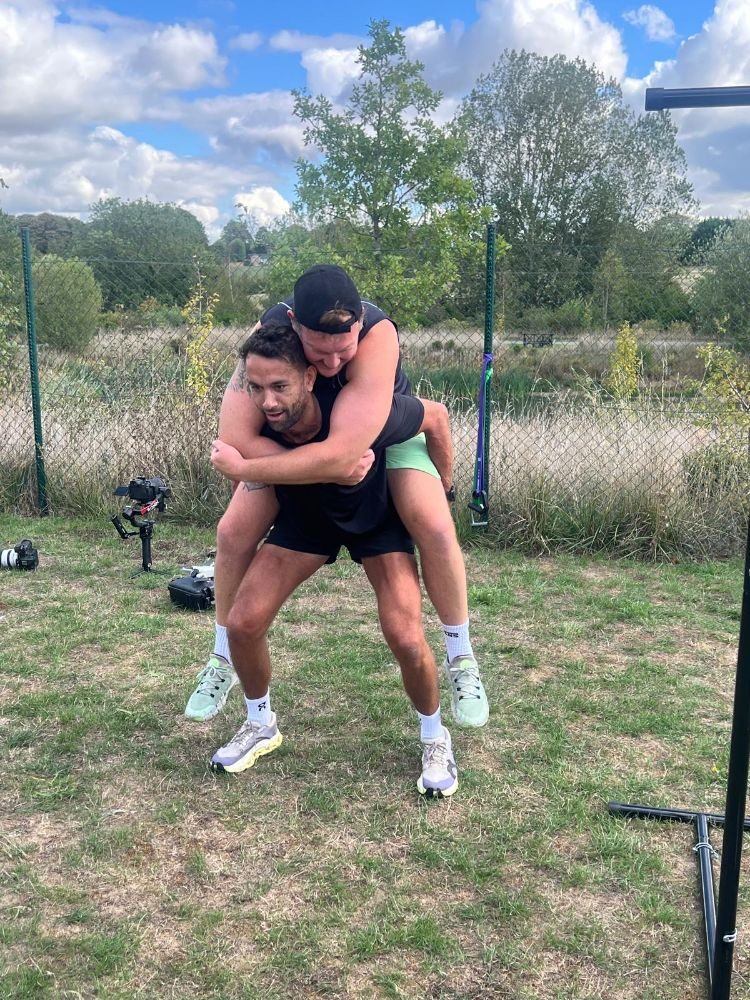
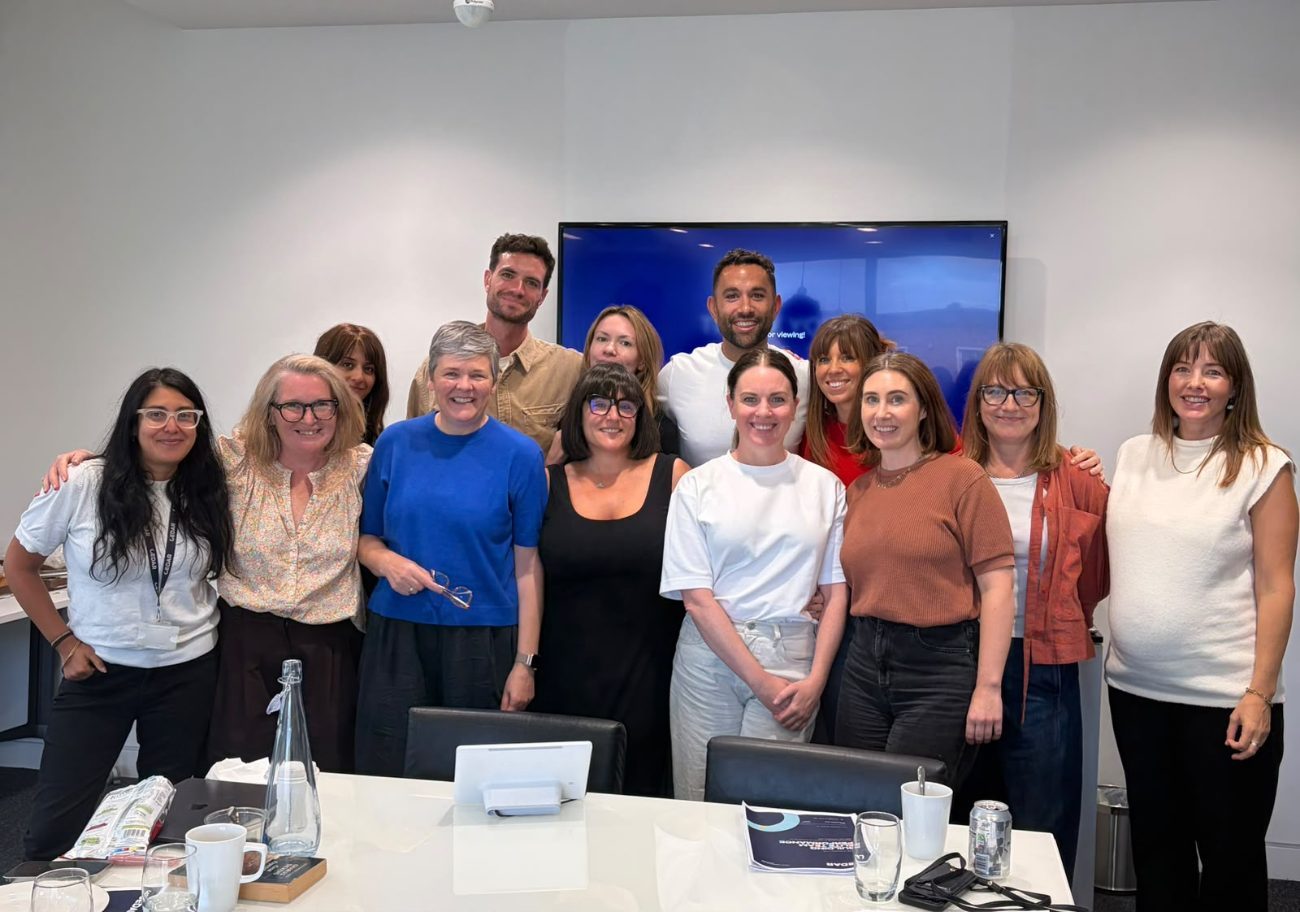
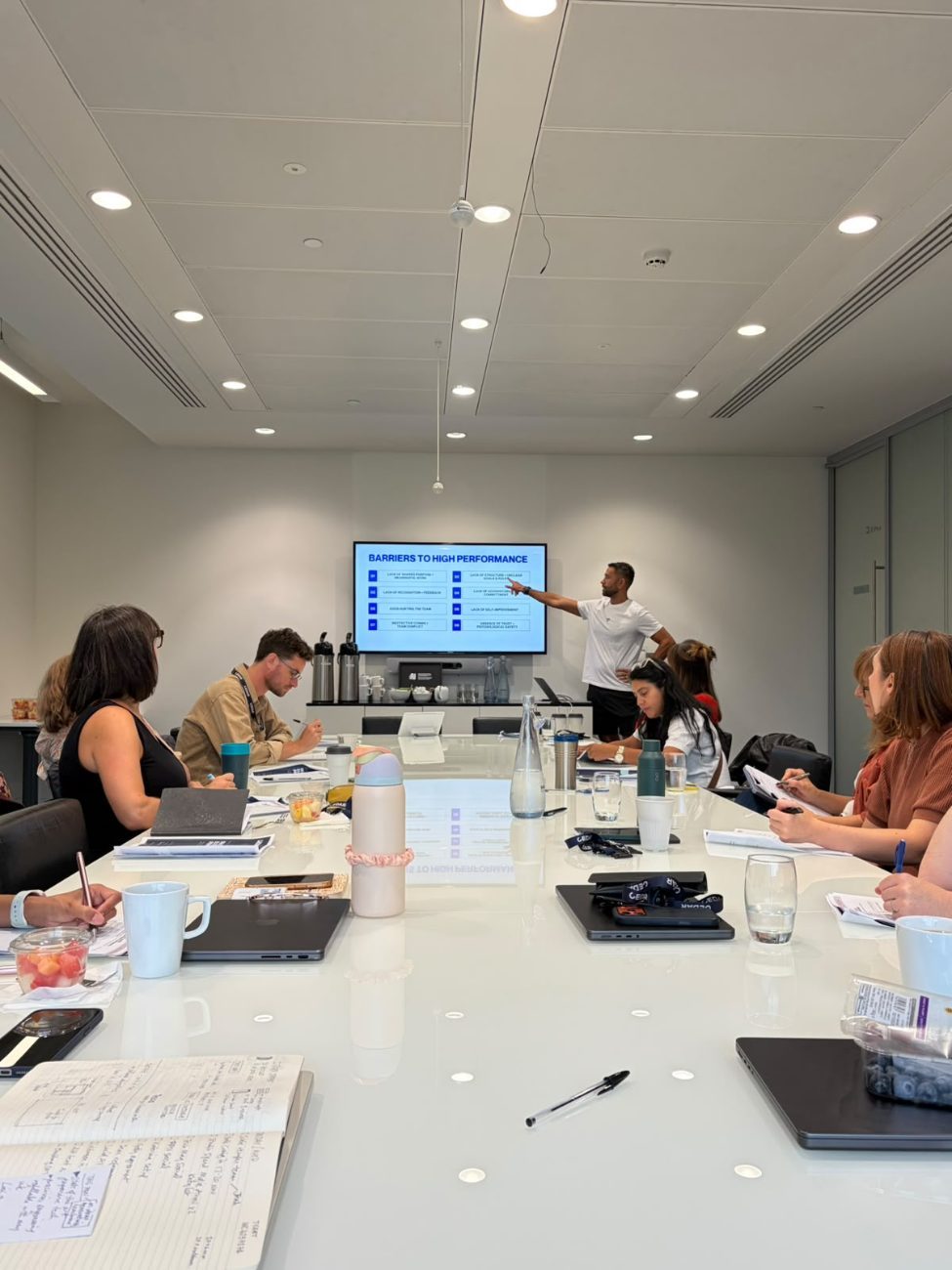
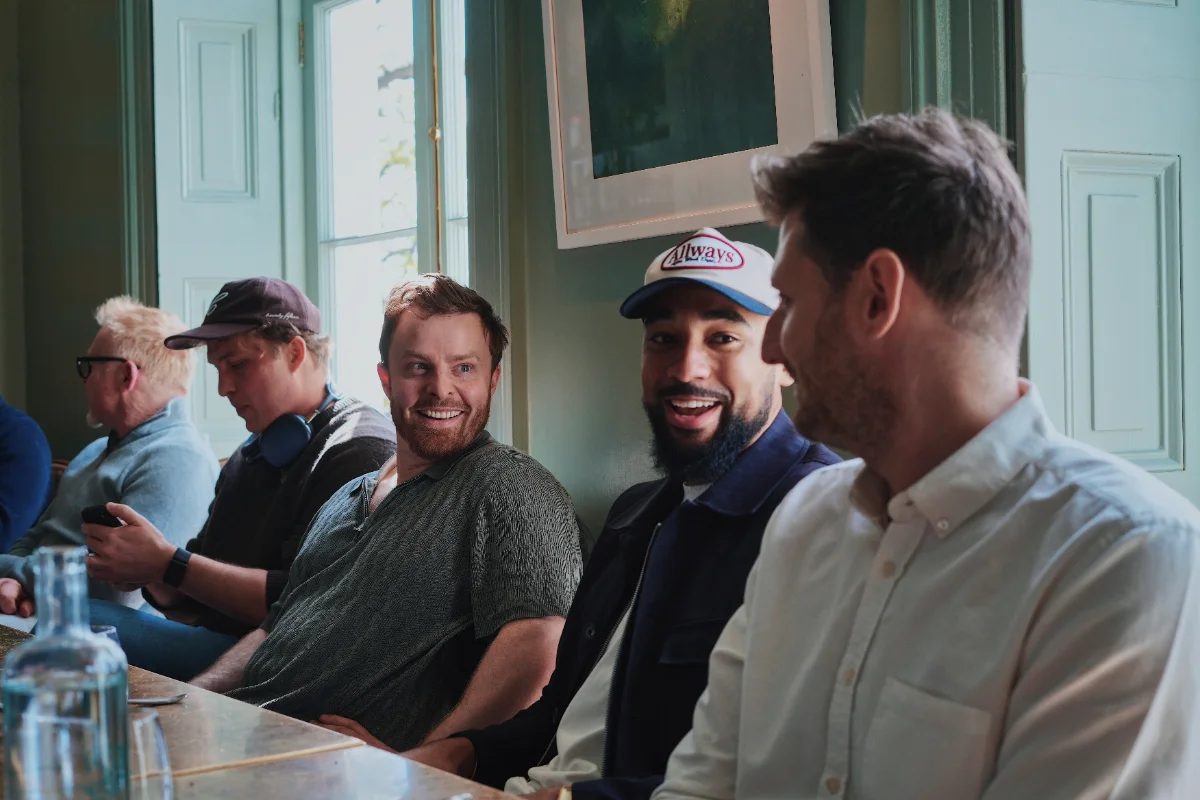
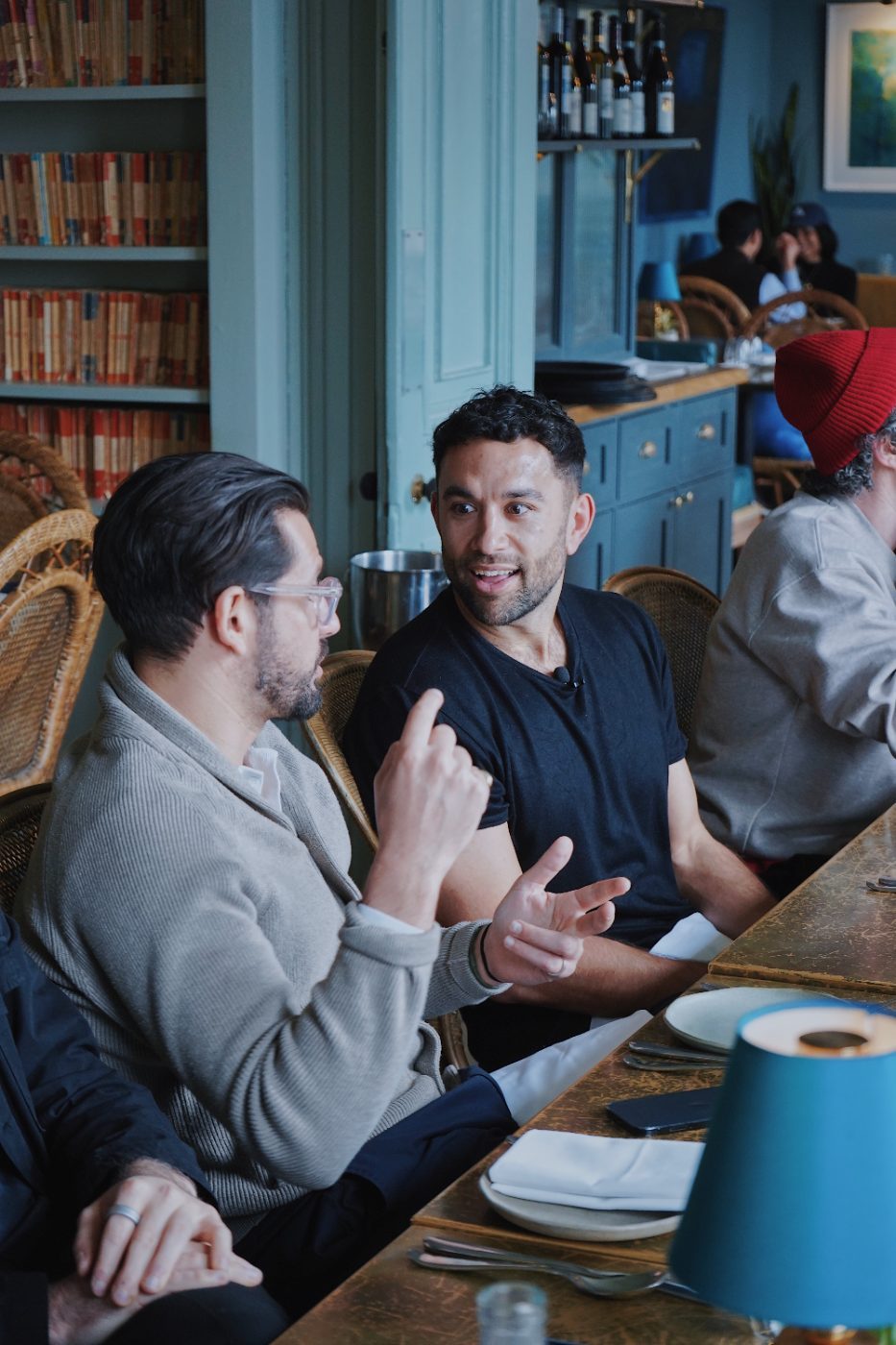
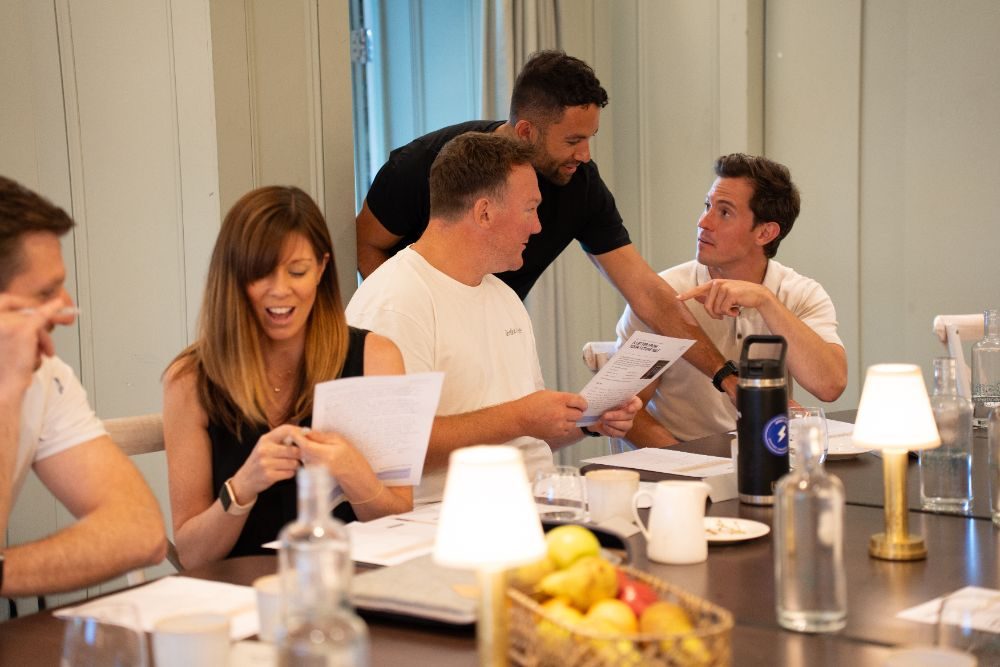
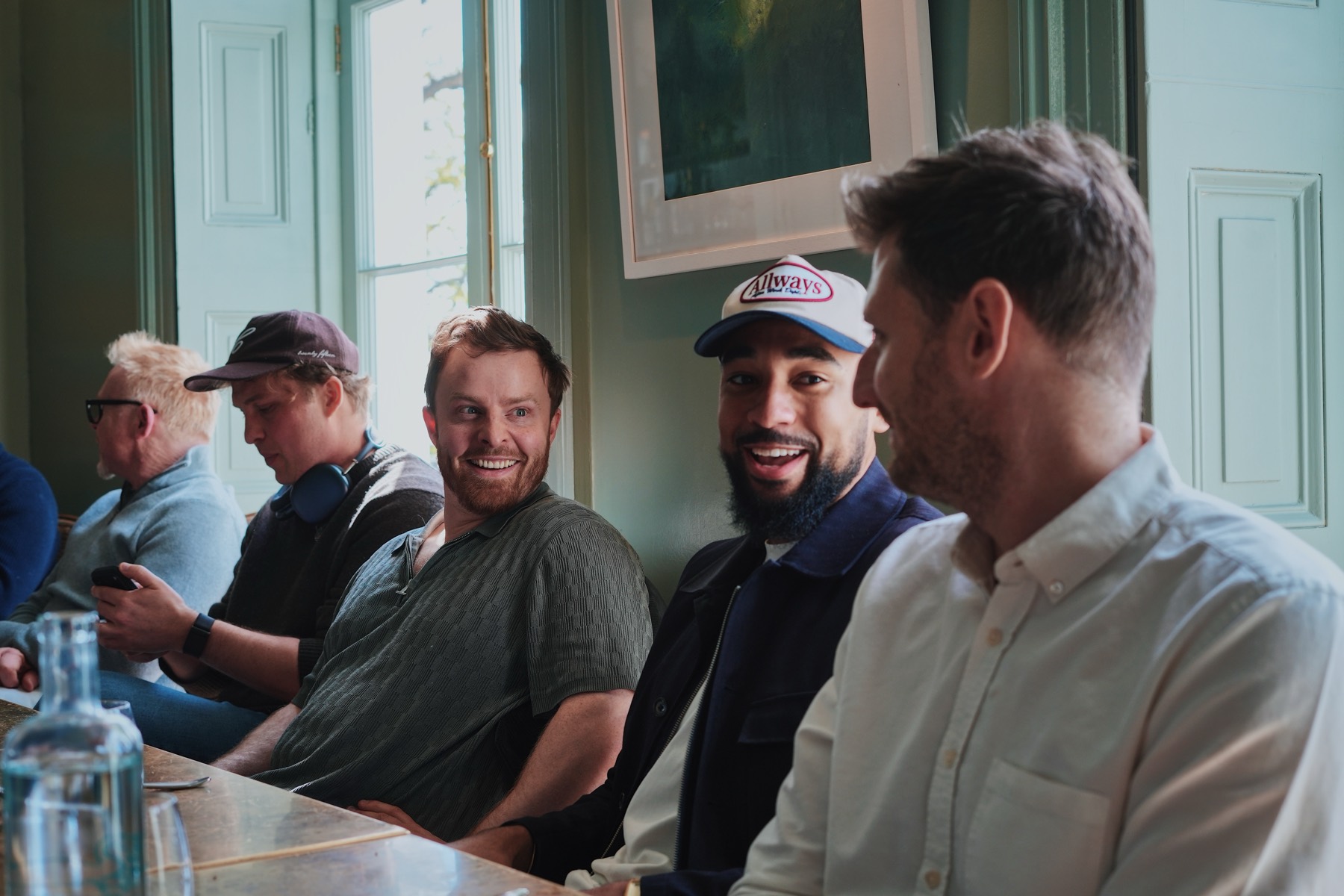
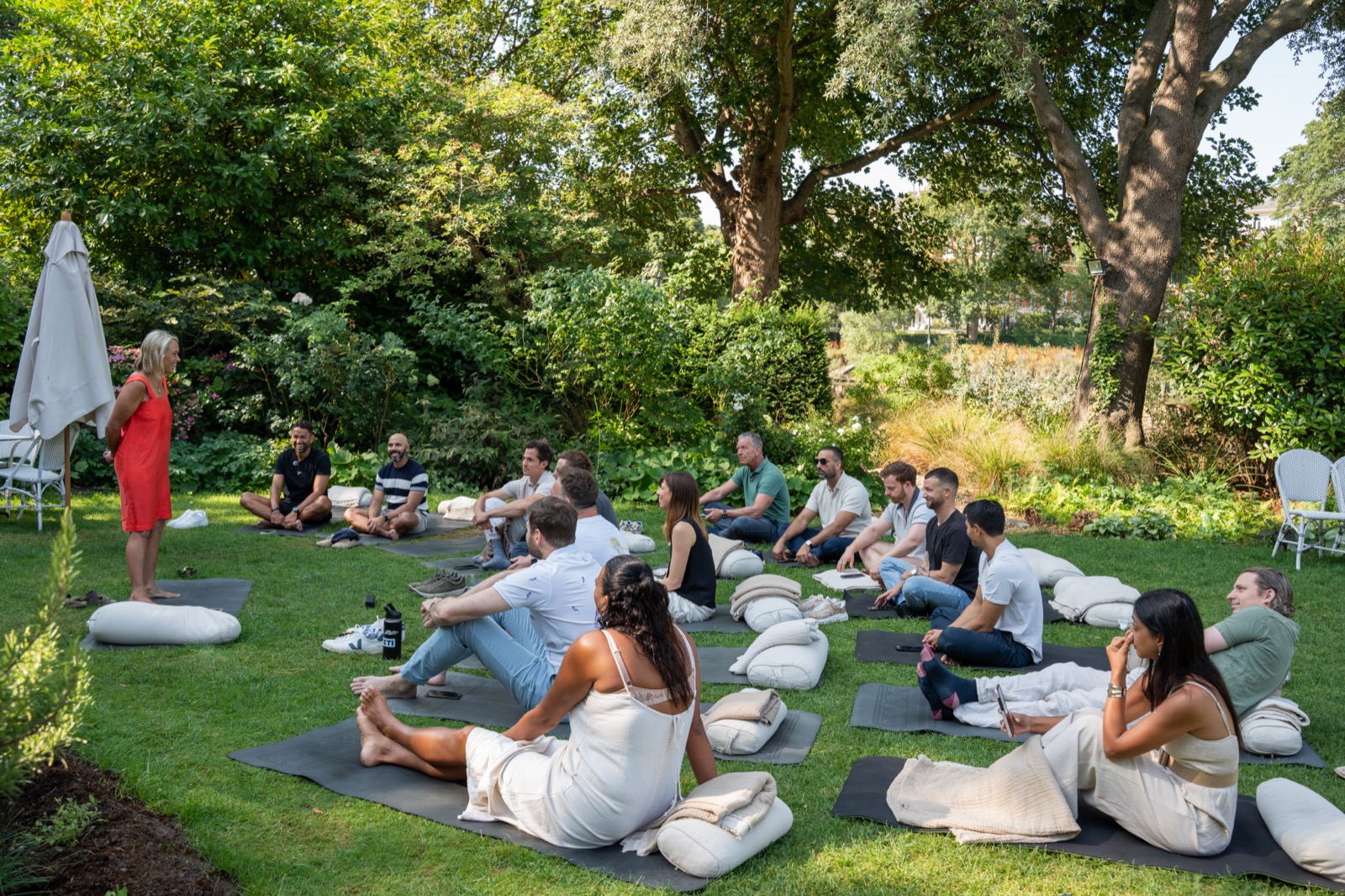
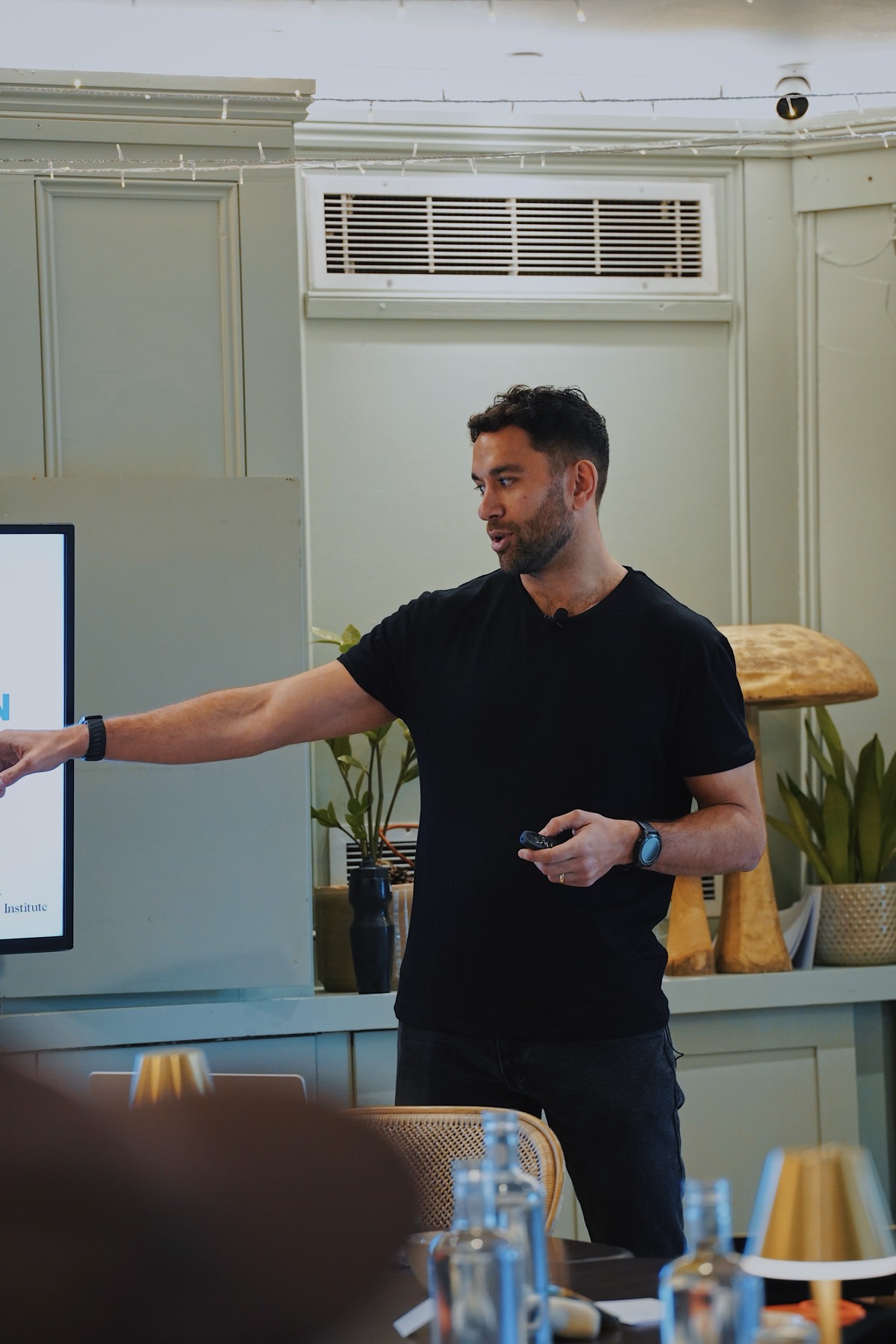
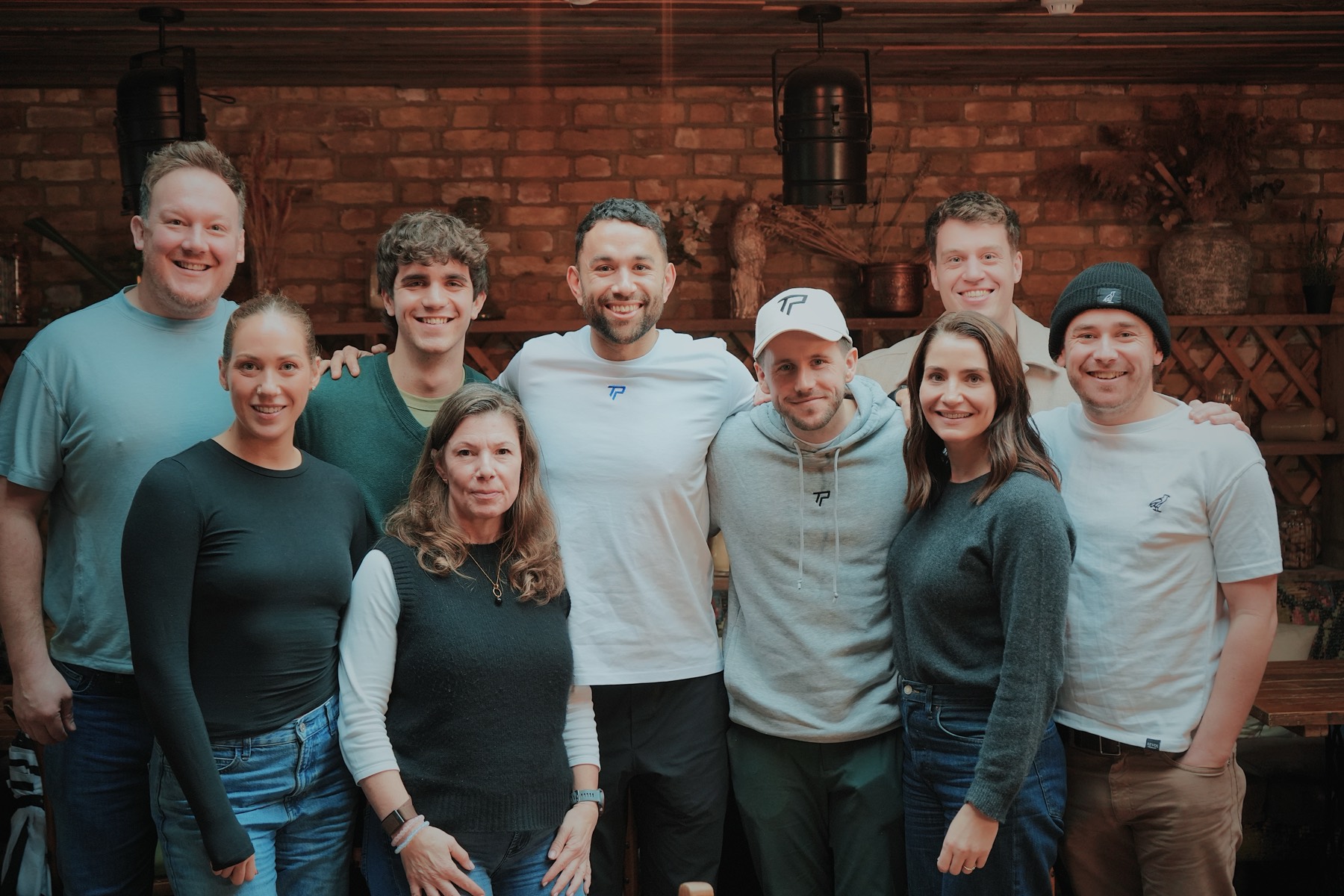
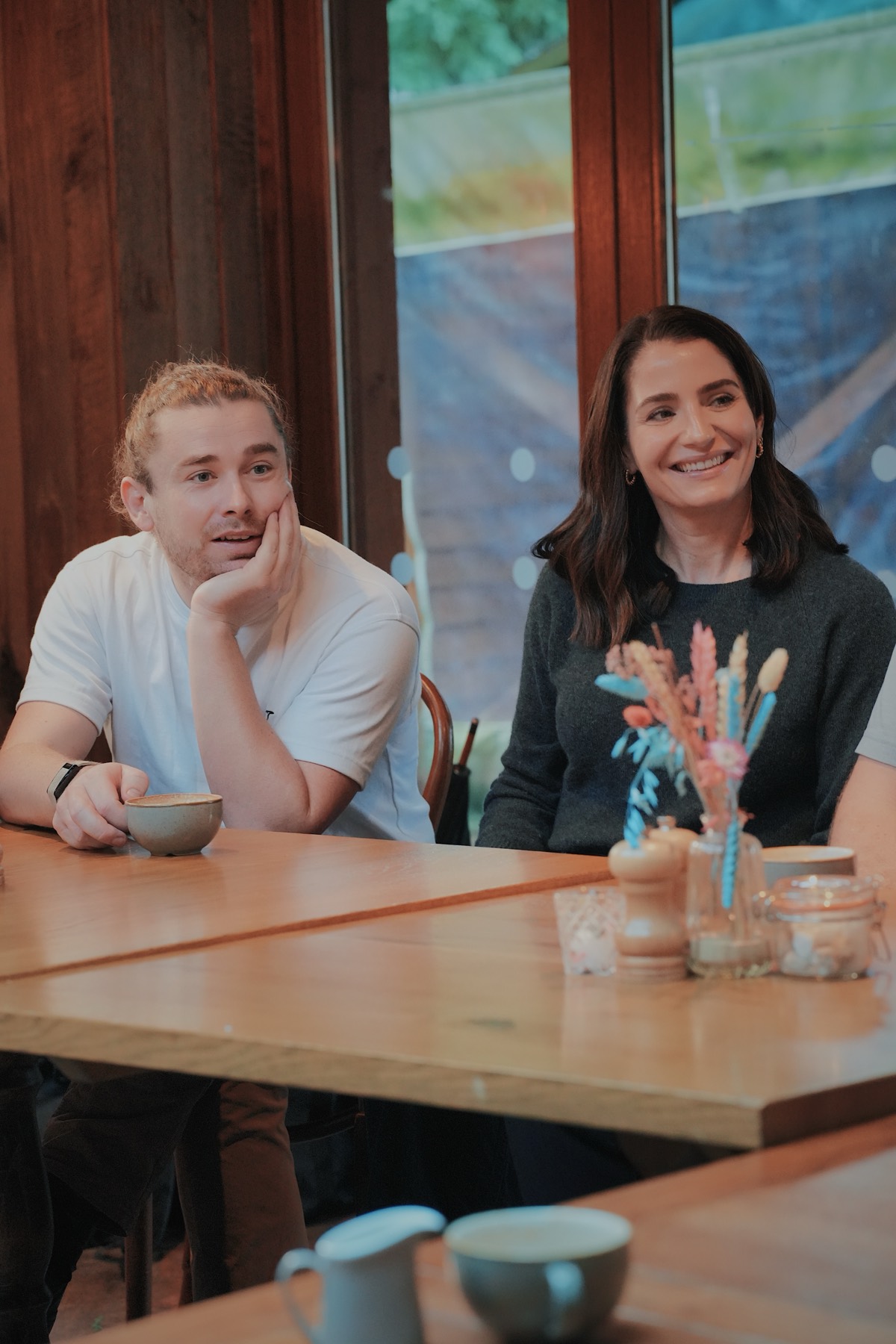
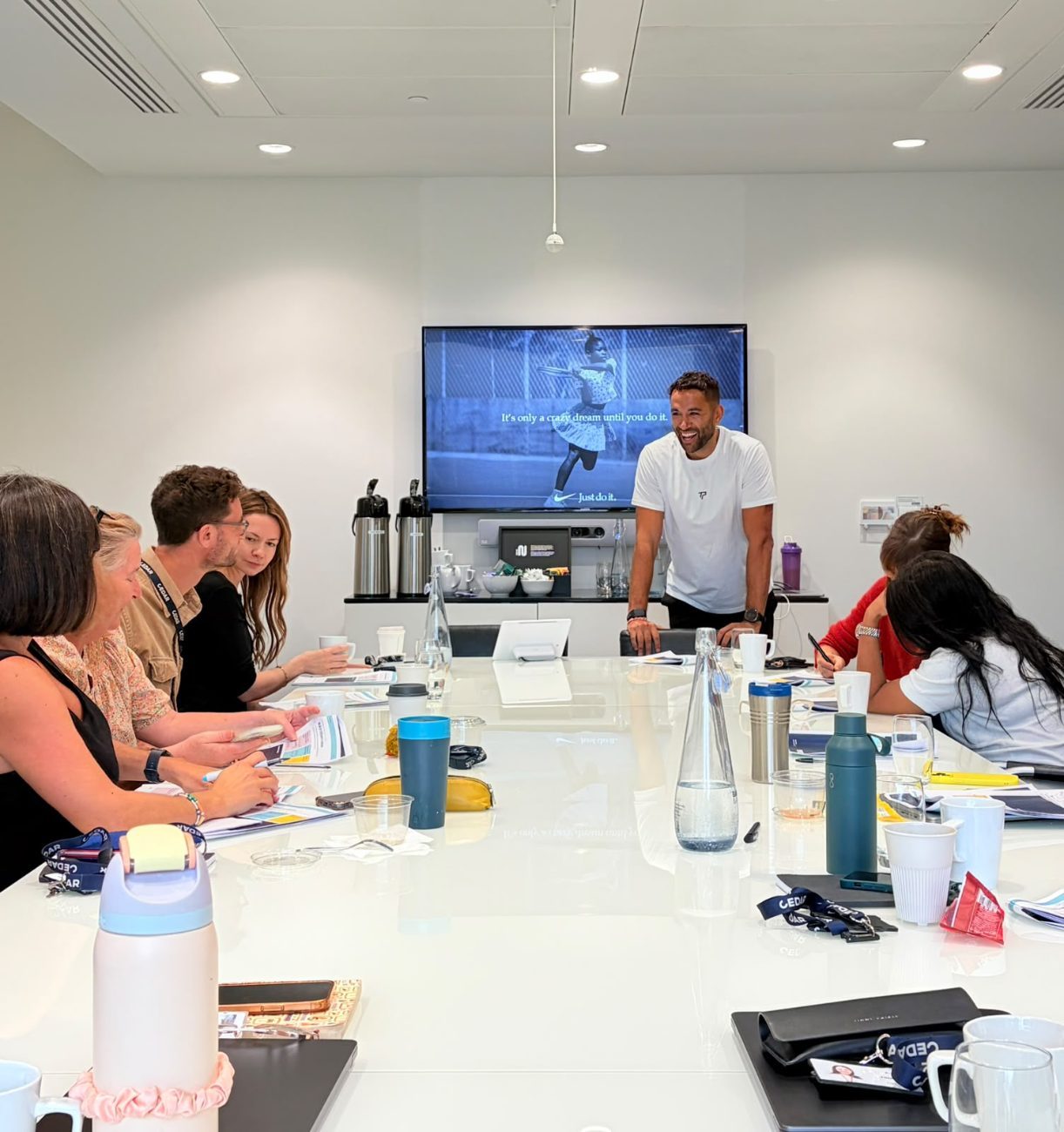
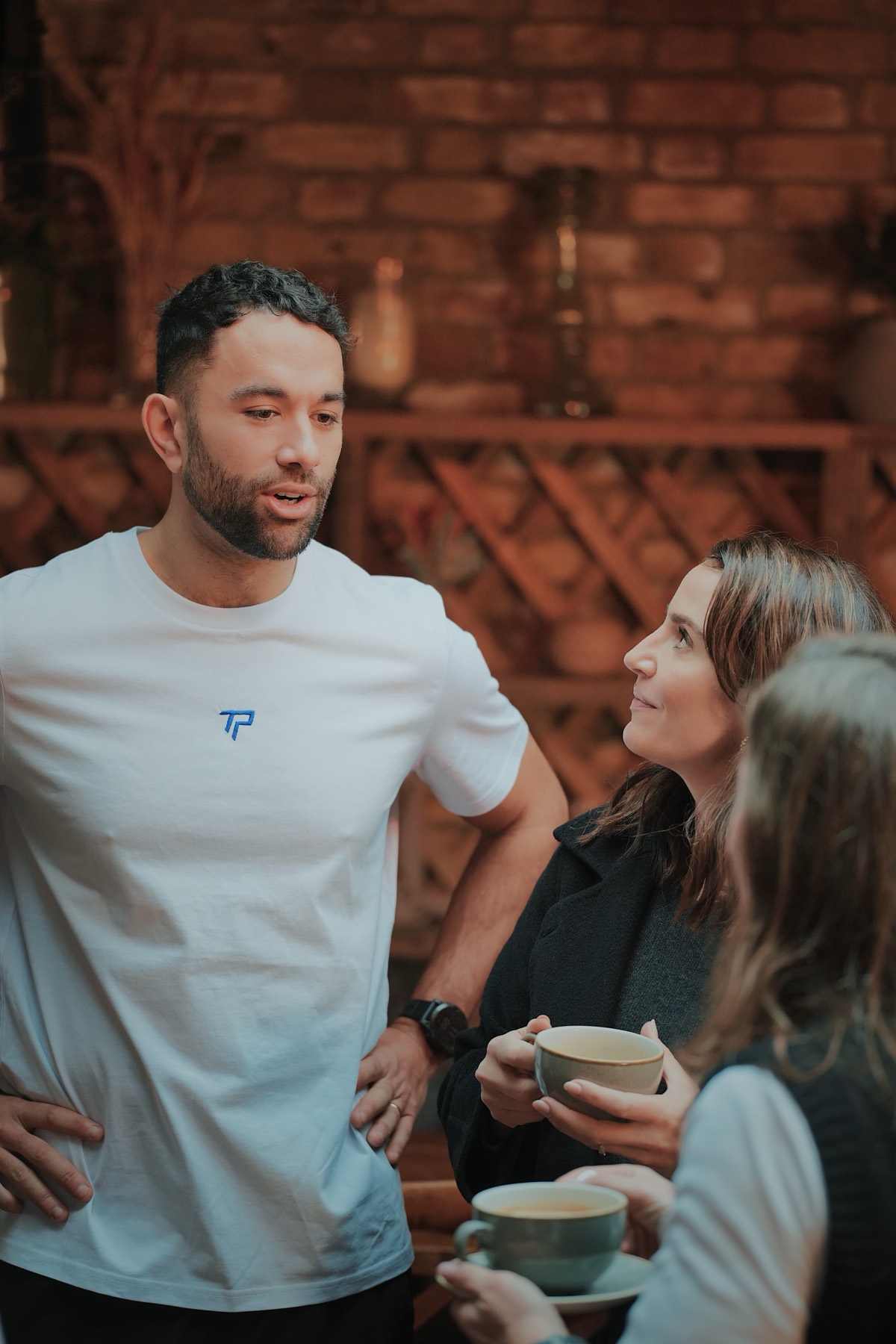
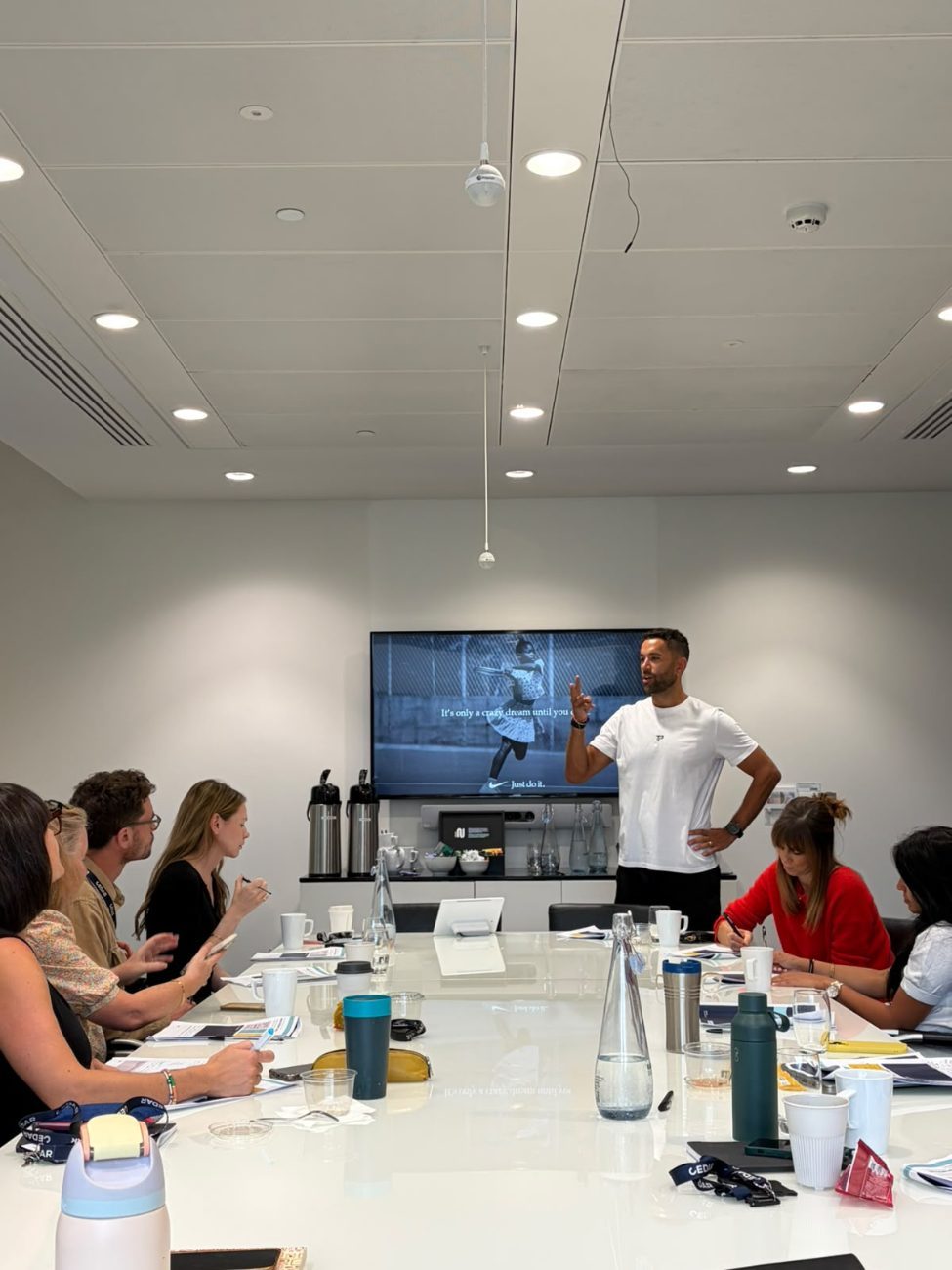
From recent sessions. Scroll to see more →
Great leaders come from different worlds. The work is getting them to move as one.
Each of them earned their edge somewhere different, with their own priorities and their own way of working. That is the strength, and the reason a brilliant group can still pull in different directions.
Decisions get made twice
Agreed on Monday, reopened on Thursday, because nobody said what they really thought in the room.
Priorities multiply
Every function has a plan. Together they add up to eleven priorities and no clear owner for the three that matter.
You become the bridge
Every handover, every disagreement, every gap between teams routes back through you. That doesn't scale, and neither do you.
None of this is about talent. It is about a shared direction and a shared way of working. And both can be built.
You do not need a year of coaching to feel the difference. You need one day, run well, with something real to show for it. This is that day.
The Map
Who does what best, and what's missing. Every leader's Working Genius, mapped across the team, so roles get drawn around how people actually work.
The North Star
Where you're going, in numbers. One destination your whole team can say in a sentence, and the goals that turn into decisions on a Tuesday.
The Standard
What you'll hold each other to. The behaviours, the feedback, and the shift from blame to ownership, written down and signed.
When a team sees how it works, friction turns into momentum.
Patrick Lencioni's Working Genius model names six types of work every team needs done. Each of you has two that give you energy, two you can manage, and two that quietly drain you.
We put the whole team's map on the wall: where you're stacked, where you're thin, and who should own what. By lunch, roles get drawn around how people actually work, not the org chart from two years ago.
Asks the question that needs asking.
Comes up with new ideas and answers.
Knows by instinct what will work.
Rallies people around an idea.
Steps in with the help that's needed.
Pushes the work over the line.
Your team on one page
Every leader's geniuses and frustrations, plotted together. You'll see your team's shape in seconds.
The gaps nobody owns
Most teams are heavy in one stage and thin in another. That's usually where your projects stall.
A shared language
"I need your Discernment on this" replaces a week of polite emails. It sticks long after the day ends.
Fewer priorities. Clearer owners.
One destination your whole team can say in a sentence, and a dated picture of what winning looks like. We cut the year down to the goals that actually move the company, give each a single owner, and connect it to the person who carries it.
Agree how you'll act when it gets hard.
Culture isn't the values on the wall. It's what happens in the meeting after someone misses a deadline. We agree the standards you'll hold each other to, how you give and take feedback, and the shift from blame to ownership. You write the pact, and you sign it.
Before. During. After.
The prep
Every leader takes the Working Genius assessment, about ten minutes, and the founder, CEO or MD completes the CEO Scorecard. We arrive with the team map already built.
A call with the founder, CEO or MD
Alex spends 45 minutes with the founder, CEO or MD on what is really going on. On Away days, he speaks 1:1 with every leader first, so the room starts honest.
The Away day, somewhere out of the city, with the setting part of the work. Home runs the same sessions at your office.
Your report and roadmap
Your full report and twelve-month roadmap, written up properly. Not a deck of flipchart photos: a document your team uses in the next board meeting.
The debrief, and a return
A 60-minute debrief with the founder, CEO or MD. On Away days, we come back at 90 days to check what has moved, and what hasn't.
A plan for the year your whole team wrote.
People commit to plans they helped build. This one comes out of the room, in your team's words, with the structure added afterwards.
Team Working Genius map
Each leader's profile, the team's shape, and the gaps to cover.
This year's goals
Three to five company goals, each with an owner and a measure.
Your team charter
The operating agreements you made, in the words you used.
A 12-month roadmap
Quarter by quarter: what gets done, by whom, and when you check in.
Coach's observations
What we noticed that you might not have. Honest, specific, and for the founder, CEO or MD first.
Don't take our word for it.
Take theirs.
“Strategically sharp and practically grounded… it sparked conversation in the room that was honest, engaged and immediately actionable. Would highly recommend to any founder or leadership team serious about scaling with clarity and accountability.”
“It was exactly what we needed to bring the team back together, and I’m so happy with where we got to in the room and the focus and direction it’s going to give us as a business. The team were really energised this afternoon off the back of it.”
Same work. Different memory.
People remember where they were when they decided something. Choose where your team decides.
We come to you
The full day, run in your own space.
We take you out
Everything in Home, taken somewhere your team will talk about for years.
Home gets the work done. Away gets it remembered.
This is for you if
It isn't if
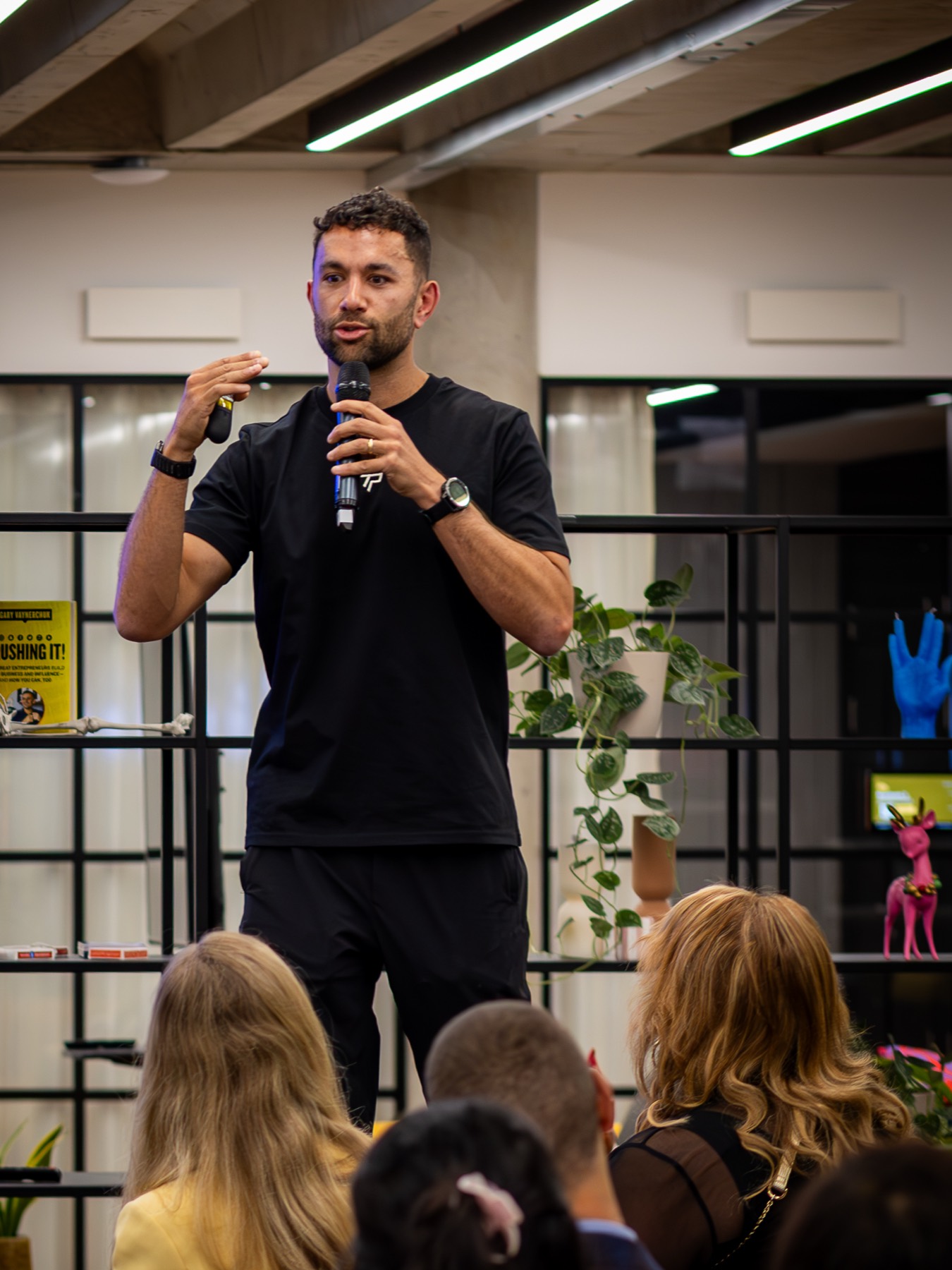
Alex Ayin
Alex founded Tomorrow's Potential, where he coaches founders, CEOs and their leadership teams, and builds the way the company runs, so the business becomes the best in its category and stops depending on any one person.
Two decades inside high-growth UK companies. He helped scale Social Chain from startup to exit, sat on the THG executive team through the UK's largest tech IPO, and runs every offsite himself.
The day shows you what's possible. Coaching is how it holds.
Most teams leave the day with real momentum. The ones that keep it have someone in the room every month, holding the roadmap, the charter and each other to account.
If that is what you want, we will talk about a year of exec team coaching at your debrief. No obligation. The report and roadmap are yours either way.
The practical bits.
Up to twelve. Usually the founder, CEO or MD and their direct reports. If you have a wider leadership group, we'll talk about who should be in the room and why.
No. The assessments are included and take about ten minutes each. Most teams arrive having never heard of it and leave using the language daily.
Somewhere chosen for your team. We've used The Bingham in Richmond and private spaces across London. Tell us what your team needs and we'll propose two or three options.
Six to eight weeks gives us time for the pre-day 1:1, the assessments and the venue. We can move faster if the moment calls for it.
Yes. The report covers what the team agreed. Anything said in confidence, in the room or in the pre-day 1:1, stays there.
You get the report and roadmap within ten working days, plus a debrief with the founder, CEO or MD. If you want ongoing exec team coaching, we'll talk about it then. There's no obligation.
Get your team in the pitstop.
Tell us a little about your team and what's prompting this. Alex reads every enquiry personally and replies within two working days.
We run a limited number of days each quarter.
Prefer to talk first? Book a call with Alex.

Thank you
Alex will be in touch within two working days to find a time for a first conversation.